
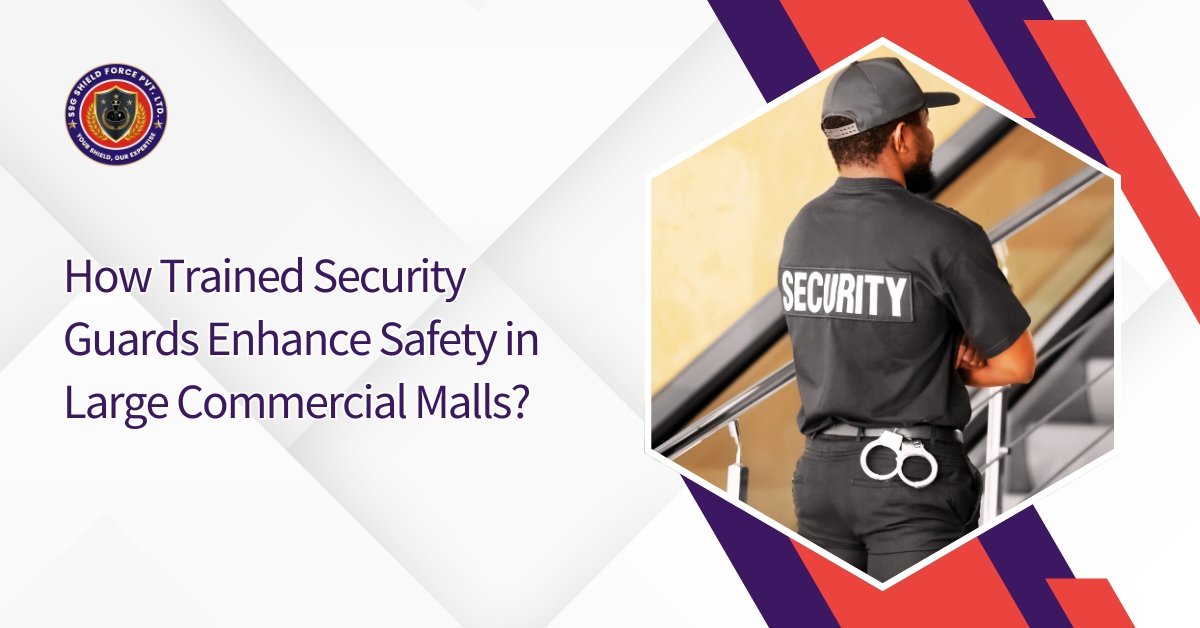
Large commercial malls attract thousands of visitors every day, from shoppers and families to tourists and employees. With so many people in one place, ensuring safety becomes a top priority. Trained security guards play a vital role in keeping malls secure. They not only prevent theft and manage crowds but also respond quickly to emergencies, assist visitors, and coordinate with local authorities.
In this blog, we will explore how trained security guards enhance safety in large commercial malls, the key responsibilities they handle, and why their presence is essential for both visitors and retailers.
Why Trained Security is Important in a Commercial Mall?
Commercial malls are high-traffic spaces where thousands of people gather daily, including shoppers, families, employees, and tourists. With such large crowds, there is a higher risk of incidents such as theft, disputes, accidents, or emergencies. Trained security guards are essential because they can identify and prevent potential risks before they escalate, ensuring that everyone in the mall remains safe.
Beyond preventing crime, trained security guards are also critical for handling emergencies efficiently. Whether it’s a medical situation, a fire alarm, or crowd congestion during sales or events, they know how to respond quickly and calmly. Their presence not only safeguards lives but also boosts visitor confidence, making shoppers feel comfortable and encouraging them to spend more time in the mall.
How Do Trained Security Guards Prevent Theft and Shoplifting?
Theft and shoplifting can cause major financial losses and negatively affect the shopping experience.Their approach focuses on prevention first, followed by quick and lawful response.
1. Strong Visual Presence as a Deterrent
A visible security presence is one of the most effective ways to prevent theft. Uniformed guards positioned at entrances, exits, and key locations discourage potential shoplifters by increasing the risk of being noticed and caught. Many theft attempts are prevented simply because criminals avoid places with active security.
2. Regular Patrolling of High-Risk Areas
Security guards continuously patrol areas that are most vulnerable to theft, such as stores with high-value items, less crowded zones, and common escape routes. Regular movement prevents shoplifters from predicting guard locations and limits opportunities to steal unnoticed.
3. Early Identification of Suspicious Behavior
Trained guards focus on behavior rather than appearance. Actions like repeated loitering, checking surroundings frequently, or attempting to conceal items are early warning signs. Identifying these behaviors early allows guards to monitor individuals closely and stop theft before it occurs.
4. Active Use of CCTV and Surveillance Systems
Security guards monitor CCTV cameras to track suspicious activity across multiple areas at once. Surveillance helps identify theft patterns, supports on-ground patrols, and provides clear evidence when incidents occur. The combination of technology and trained personnel greatly improves theft prevention.
5. Professional and Legal Handling of Theft Incidents
When theft is suspected or confirmed, trained security guards respond calmly and follow legal procedures. They avoid unnecessary confrontation, protect customer rights, and coordinate with store management or authorities when needed. This ensures theft incidents are handled safely and professionally.
How Security Guards Manage Large Crowds During Peak Hours?
Controlled Entry and Exit:
Security guards monitor all entry and exit points, ensuring that the number of people entering the mall does not exceed safe limits. By controlling access, they prevent congestion and reduce the risk of accidents at busy gates or turnstiles.
Queue Management:
Guards organize and supervise queues at popular areas like ticket counters, food courts, or sale zones. This prevents pushing, overcrowding, and conflicts, making the shopping experience safer and more enjoyable for everyone.
Monitoring High-Risk Zones:
Areas such as escalators, elevators, staircases, and narrow corridors are particularly prone to crowding. Security personnel actively patrol these zones, guiding visitors and keeping pathways clear to prevent accidents or injuries.
Emergency Readiness:
In the event of emergencies like fire alarms, medical situations, or sudden crowd surges, trained guards are prepared to execute evacuation plans quickly and calmly. Their ability to direct people efficiently can prevent panic and reduce the risk of injuries.
Assisting Visitors:
Beyond controlling crowds, security guards also assist visitors with directions, parking, and guidance during busy hours. Their presence helps shoppers navigate the mall safely, reducing confusion and bottlenecks.
How Security Guards Respond to Emergencies in Malls?
Emergencies in malls can range from medical incidents and fire alarms to accidents, lost children, or even security threats. Trained security guards are the first line of response in these situations. They are equipped with knowledge of emergency protocols, first aid skills, and quick decision-making abilities to handle crises efficiently.
In case of a medical emergency, security personnel are often trained in CPR, basic first aid, and handling minor injuries until professional medical help arrives.
During events like fire alarms, natural disasters, or security threats, guards follow evacuation procedure guidelines and crisis management plans. They guide visitors toward safe exits, maintain order in crowded areas, and communicate with local authorities, including police and fire departments, to ensure a coordinated response.
How Do Security Guards Support Customer Experience in Malls?
Security guards play a much bigger role in shopping malls than just maintaining safety. Their presence directly influences how comfortable, confident, and welcome customers feel while visiting the mall. Here’s how security guards support and improve customer experience in malls.
Creating a Sense of Safety and Comfort
Customers enjoy shopping more when they feel safe. The visible presence of trained security guards reassures visitors that help is always nearby. This sense of security allows families, senior citizens, and solo shoppers to move freely and comfortably throughout the mall without fear.
Assisting Shoppers with Information and Directions
Security guards are often the first point of contact for visitors. They help customers find stores, restrooms, parking areas, elevators, and exits. Quick and polite assistance saves time and reduces frustration, especially in large malls where navigation can be confusing.
Helping During Emergencies and Unexpected Situations
In case of medical emergencies, lost children, or minor accidents, security guards respond immediately. Their calm handling of such situations prevents panic and ensures customers receive help quickly. This responsiveness builds trust and confidence among visitors.
Maintaining Order and a Pleasant Environment
Security guards ensure mall rules are followed respectfully, preventing disturbances such as loitering, aggressive behavior, or overcrowding. By managing crowds and resolving conflicts calmly, they help maintain a peaceful and enjoyable atmosphere for all shoppers.
Supporting Families, Children, and Elderly Visitors
Security guards play an important role in assisting vulnerable visitors. They help reunite lost children with parents, support elderly shoppers with directions or mobility concerns, and ensure safe movement through busy areas. These small acts greatly improve the mall experience for families.
Enhancing Overall Brand Image of the Mall
Professional, courteous security staff reflect positively on the mall’s brand. When customers associate a mall with safety, helpfulness, and organization, they are more likely to return and recommend it to others. Good security service directly contributes to customer loyalty.
Why Are Trained Security Guards Essential for Mall Reputation?
Trained security guards play a crucial role in building and protecting a mall’s reputation. A well-secured mall creates a strong first impression for visitors, retailers, and business partners. When shoppers feel safe, they are more likely to spend time in the mall, visit frequently, and recommend it to others. Professional security personnel help prevent theft, manage crowds, handle emergencies efficiently, and maintain order during peak hours or events.
If you are located in Tathawade and are looking for trained security guards for a commercial mall, partnering with a professional security service is a smart investment. Experienced and well-trained guards not only safeguard people and property but also elevate your mall’s image as a safe, well-managed destination for families and businesses.
Ready to Upgrade Your Mall Security?
Safety is the foundation of a successful commercial mall. From preventing theft and managing large crowds to responding quickly during emergencies and supporting customer experience, trained security guards play a vital role in protecting people, property, and reputation.
📞 Contact us today for a professional mall security provider to assess your risks, improve safety, and create a secure environment that shoppers and retailers trust.
Frequently Asked Questions
It depends on mall size, footfall, number of entry points, parking areas, and operating hours. Most large malls require 24/7 rotating security teams.
Absolutely. Safer malls attract more visitors, higher dwell time, and stronger retailer confidence.
They help prevent shoplifting, support cash movement security, monitor suspicious behavior, and coordinate with store staff during theft or emergency situations.
Yes. They are trained to follow fire safety norms, evacuation procedures, and local compliance requirements to ensure mall safety standards are met.
Patrol frequency depends on mall size, layout, and risk zones, but high-traffic and high-value areas are typically monitored continuously.