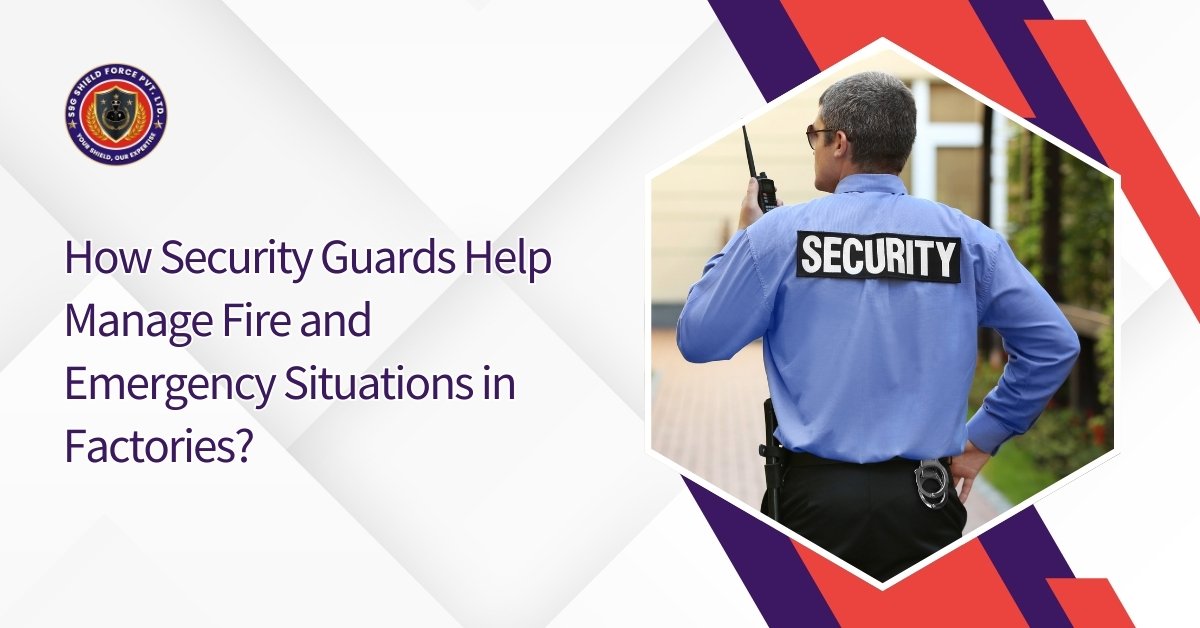
Factories face constant fire and emergency risks due to heavy machinery, electrical systems, combustible materials, and chemical storage. In such high-risk environments, trained security guards play a critical role in preventing incidents, managing evacuations, coordinating with emergency responders, and minimizing damage. Their quick response, vigilance, and knowledge of safety protocols help protect workers, assets, and operations during fire outbreaks, chemical leaks, medical emergencies, and other industrial crises.
Security guards act as the first line of defense by identifying hazards early, activating emergency procedures, guiding safe evacuations, and supporting fire and rescue teams. In this blog, we will explain how trained security personnel play a vital role in managing fire and emergency situations, and how their preparedness ensures that emergencies are handled swiftly, safely, and efficiently.
Why Are Factories More Vulnerable to Fire and Emergency Risks?
Factories are inherently high-risk environments because of the combination of heavy machinery, electrical systems, combustible materials, and chemical processes. Several factors contribute to their heightened vulnerability:
- Presence of Flammable Materials: Many factories store or use flammable substances such as oils, solvents, paints, and chemicals. Even a small spark or leak can quickly ignite these materials, leading to fires that spread rapidly if not controlled immediately.
- Complex Electrical Systems and Machinery: Industrial machines, conveyor belts, motors, and high-voltage equipment are standard in manufacturing units. Electrical faults, short circuits, or overheating machinery can easily trigger fires or explosions.
- High-Density Workspaces: Factories often house a large number of workers in close proximity. Narrow aisles, cluttered storage, or blocked exits can make evacuation difficult during emergencies, increasing the risk of injuries.
- Chemical and Gas Hazards: Many factories handle volatile chemicals or gases. Leaks can lead to toxic exposure, explosions, or fires. Without proper monitoring and immediate action, even a minor leak can escalate into a major disaster.
- Continuous Operations: Factories often operate 24/7, which increases the chance of human error or equipment malfunction at any time. Night shifts or unsupervised areas may delay hazard detection, allowing emergencies to escalate faster.
How Do Security Guards Detect Fire Hazards Before They Escalate?
Preventing fire and emergency situations in factories starts with early detection, and security officers play a critical role in this process. Their vigilance, training, and routine monitoring help identify risks before they turn into full-scale emergencies. Here’s how they do it:
1. Regular Patrols and Inspections:
Security guards conduct scheduled and random patrols throughout the factory premises. During these rounds, they check for potential fire hazards such as exposed wiring, malfunctioning machinery, overheating equipment, or accumulation of combustible materials. Regular inspections ensure that risks are identified and addressed quickly.
2. Monitoring Fire Detection Systems:
Factories are equipped with fire alarms, smoke detectors, heat sensors, and CCTV systems. Safety officers constantly monitor these systems for early warning signals. Prompt detection allows them to take immediate action, such as alerting management or activating emergency procedures.
3. Checking Emergency Exits and Safety Equipment:
Security guards ensure that all emergency exits are accessible and clearly marked. They also check the availability and functionality of fire extinguishers, hoses, sprinklers, and other firefighting equipment. Ensuring these safety tools are operational reduces response time in case of an emergency.
4. Identifying Unsafe Practices:
Guards keep an eye out for unsafe employee behaviors that could lead to hazards, such as improper storage of chemicals, smoking near flammable materials, or overloading electrical circuits. By identifying and reporting such practices, they help prevent emergencies before they occur.
5. Reporting Maintenance Issues:
Security personnel often act as the first line of observation for issues that maintenance teams may not immediately notice. They report any signs of wear and tear, sparks, unusual odors, or leaks to the relevant teams, ensuring hazards are mitigated early.
6. Using Risk Assessment Checklists:
Trained protection officers often follow standardized risk assessment checklists to evaluate potential fire hazards systematically. This structured approach ensures that no area or potential risk is overlooked.
What Immediate Actions Do Security Guards Take During a Fire Emergency?
When a fire breaks out in a factory, every second counts. Security guards are often the first personnel on the scene, and their prompt actions can save lives, prevent injuries, and minimize property damage. Here’s how they respond immediately during a fire emergency:
1. Activating Fire Alarm Systems:
The first step is to alert everyone in the factory. Security operatives activate fire alarm systems, ensuring that all employees, supervisors, and visitors are immediately aware of the danger. Early alarm activation allows for quicker evacuation and prevents panic.
2. Notifying Emergency Services:
Simultaneously, guards contact the fire department or other relevant emergency services. They provide essential details such as the factory location, type of fire, areas affected, and any hazardous materials involved. This helps emergency responders prepare the right equipment and plan their response before arriving on-site.
3. Assessing the Situation Safely:
Trained security guards quickly assess the severity of the fire without putting themselves at undue risk. They determine whether the fire can be managed with available firefighting equipment or if immediate evacuation is necessary. This rapid assessment helps in taking appropriate action without delay.
4. Using Firefighting Equipment (If Safe):
If the fire is small and manageable, guards may use fire extinguishers, hoses, or sprinklers to control the blaze. They follow proper protocols and ensure that their safety, as well as that of employees nearby, is not compromised.
5. Shutting Down Hazardous Systems:
If trained and authorized, professional guards may help shut down electrical panels, machinery, or gas valves to prevent further hazards. This minimizes the risk of fire spreading or secondary accidents.
6. Coordinating With Internal Teams:
Security guards communicate with factory supervisors, safety officers, and on-site medical personnel to ensure everyone is accounted for and emergency protocols are executed efficiently.
How Do Security Guards Manage Safe Evacuation in Factories?
During a fire or any emergency in a factory, a controlled and safe evacuation is crucial to protect workers and prevent injuries. Safety marshals play a central role in ensuring that evacuations are carried out efficiently and calmly. Here’s how they manage the process:
- Guiding Employees to Assembly Points: Security guards lead workers along predetermined evacuation routes to safe assembly points outside the factory. By directing employees in an orderly manner, they prevent confusion and ensure everyone moves quickly but safely.
- Ensuring Emergency Exits Are Clear: Guards constantly monitor emergency exits and pathways, making sure they are unobstructed and easily accessible. Clear exits are critical for a smooth evacuation, especially in large factories where delays can result in injuries or fatalities.
- Assisting Vulnerable or Injured Individuals: Not all employees may be able to evacuate on their own. Security guards help differently-abled workers, injured employees, or visitors by providing physical assistance or coordinating with first-aid personnel to ensure no one is left behind.
- Maintaining Crowd Control: Panic and overcrowding can create dangerous bottlenecks at exits. Security guards manage the flow of people, prevent pushing or stampedes, and keep the evacuation organized. This reduces the risk of accidents during the emergency.
- Conducting Headcounts and Verifications: Once employees reach assembly points, guards often perform headcounts to ensure everyone is accounted for. Any missing person can then be quickly reported to emergency responders, speeding up rescue efforts if necessary.
- Communicating Clearly and Calmly: Effective communication is key during evacuations. Security guards give clear instructions, provide updates on safe routes, and reassure employees to reduce fear and panic. Calm guidance helps maintain order throughout the process.
- Monitoring the Situation Continuously: Even after the initial evacuation, guards continue to monitor the factory premises for remaining hazards, such as smoke pockets or fire spread. They coordinate with fire teams and management to ensure that it is safe for employees to return once the emergency is resolved.
How Does Security Training Improve Emergency Response in Manufacturing Units?
Proper security training equips guards with the knowledge and skills to respond quickly and effectively during fire and emergency situations. They learn to identify potential hazards, operate fire safety equipment, and follow emergency protocols without hesitation. Training also includes evacuation management, crowd control, and first-aid procedures, ensuring that guards can protect both employees and assets while minimizing injuries or chaos during a crisis.
Regular drills and simulations further reinforce these skills, helping guards react calmly under pressure and coordinate efficiently with internal teams and emergency responders. By being well-prepared, trained security personnel can prevent minor incidents from escalating, reduce property damage, and maintain operational continuity, making them an indispensable part of a factory’s safety and emergency management system.
How to Choose a Right Security Guard Agency for your Factory Safe?
Selecting the right security guard agency is crucial for ensuring fire and emergency preparedness in a factory. A professional agency not only provides trained personnel but also contributes to overall industrial safety, helping protect employees, assets, and operations. Here’s how manufacturing companies can make the right choice:
1. Check for Industry Experience and Expertise:
Choose a security agency with experience in industrial or manufacturing environments. Factories have unique risks such as heavy machinery, flammable materials, chemical storage, and high-voltage electrical systems. Agencies familiar with these hazards are better equipped to train guards and implement safety protocols effectively.
2. Verify Training and Certification:
Ensure the agency provides security guards with proper fire safety, emergency response, first-aid, and evacuation training. Guards should be certified to handle emergencies, operate firefighting equipment, and coordinate with emergency services. Well-trained personnel can prevent minor incidents from escalating into major disasters.
3. Assess Emergency Response Capabilities:
The agency should have clear protocols for handling fire, chemical leaks, gas hazards, medical emergencies, and evacuation procedures. Ask about their experience in conducting drills, risk assessments, and monitoring safety systems. A proactive approach to emergencies is key to minimizing damage and ensuring employee safety.
4. Evaluate Staffing and Supervision:
Check if the agency provides an adequate number of guards for your factory’s size and operational shifts. Supervisory staff should be available to monitor security operations, guide guards during emergencies, and ensure compliance with safety protocols. This ensures coverage during all hours, including night shifts.
5. Check References and Track Record:
Ask the agency for references from other industrial clients. A proven track record of effective emergency management, reliability, and quick response during critical incidents reflects the agency’s professionalism and competence.
6. Flexibility and Customized Solutions:
Every factory has unique risks. The agency should offer customized security solutions, tailored guard training, and emergency protocols that match your specific industrial environment.
Looking for Expert Security Guards to Protect Your Factory?
Protecting your factory from fire hazards, industrial emergencies, and unexpected incidents requires trained security personnel who can act quickly and efficiently. Our expert guards specialize in monitoring high-risk areas, managing safe evacuations, and coordinating with emergency services to minimize damage and ensure employee safety.
With S9G Shield Foce Pvt. Ltd, your facility benefits from a disciplined, highly trained security team dedicated to protecting your assets and workforce. Reach out today to implement a robust security strategy tailored to your industrial needs.
Your Factory’s Safety Starts Here
Trained security guards play a crucial role in fire and emergency management, from early hazard detection to organized evacuation and rapid response. Investing in professional security support helps minimize risks, prevent losses, and maintain a productive work environment. For factories in Pune looking to enhance their safety measures, hiring a factory security guard company in Bhosari is a strategic step that ensures reliable protection, proactive monitoring, and peace of mind. Don’t wait for an emergency take action today to safeguard your facility and workforce.