
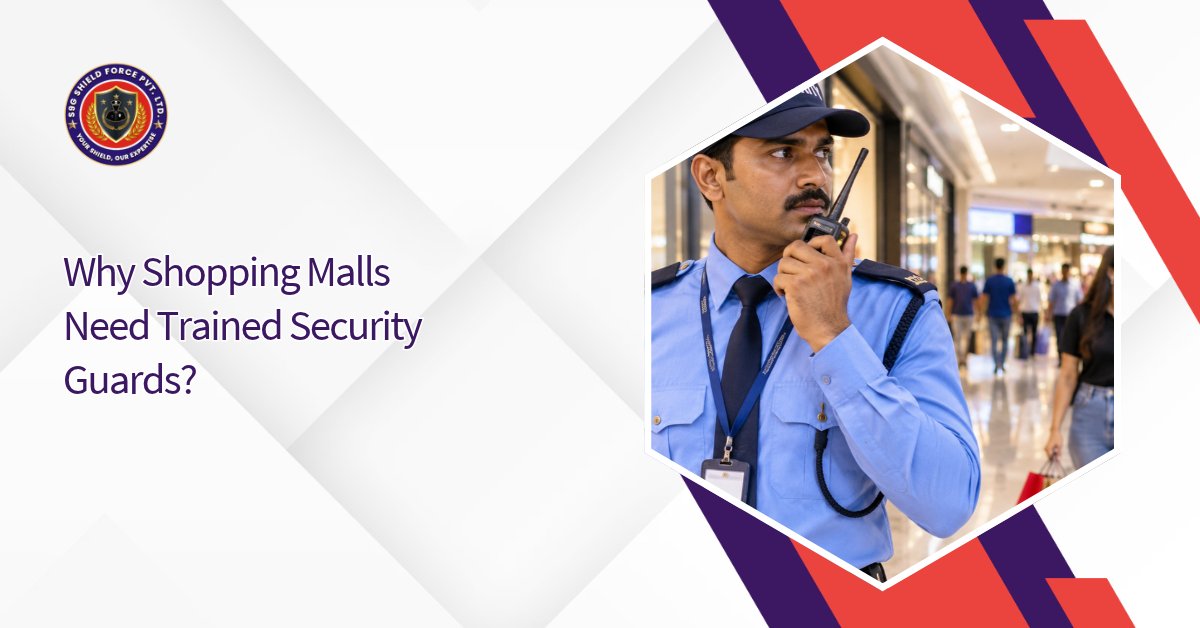
Shopping malls are among the busiest commercial spaces, attracting hundreds of visitors every day for shopping, dining, entertainment, and other activities. With such high footfall, maintaining safety and security becomes a major responsibility for mall management. From shoplifting and unauthorized entry to overcrowding and unexpected emergencies, various risks can affect visitors, employees, and businesses.
But is installing CCTV cameras and security equipment enough to ensure complete mall security? Not necessarily. Trained security guards play an essential role in monitoring activities, managing crowds, preventing security threats, and responding to emergencies. In this blog, we will discuss why shopping malls need trained security guards, their key responsibilities, and how professional security services help create a safer shopping environment.
Why Is Security Important in Shopping Malls?
Shopping malls attract a large number of visitors, employees, retailers, and service providers throughout the day. With multiple entry and exit points, parking areas, food courts, and retail spaces, managing security can be challenging. Without proper security arrangements, malls may face risks such as shoplifting, unauthorized access, theft, overcrowding, and conflicts among visitors. Effective security measures help minimize these risks and protect people as well as valuable property.
A secure shopping environment also builds customer confidence and improves the overall visitor experience. Trained security guards help monitor daily activities, maintain discipline, manage crowds, and respond to unexpected situations. Their presence also provides reassurance to retailers, employees, and shoppers, allowing mall operations to run smoothly and safely.
Key Responsibilities of Trained Security Guards in Shopping Malls
Trained security guards play an important role in maintaining safety, preventing security incidents, and ensuring smooth mall operations. Their key responsibilities include:
1. Preventing Theft and Shoplifting
- Monitor retail stores, common areas, and other high-traffic zones to identify suspicious activities.
- Conduct regular patrols to prevent shoplifting, theft, and unauthorized handling of merchandise.
- Coordinate with store employees and mall management to report and address security incidents.
2. Managing Crowd and Visitor Movement
- Control crowd movement during weekends, festivals, holidays, and promotional events.
- Prevent overcrowding near entrances, exits, elevators, escalators, and food courts.
- Guide visitors and maintain orderly movement throughout the shopping mall.
3. Monitoring Entry and Exit Points
- Monitor entry and exit gates to prevent unauthorized access.
- Observe visitor movement and identify unusual or suspicious activities.
- Support access control procedures for employees, vendors, and authorized service providers.
4. Handling Emergency Situations
- Respond promptly to fire alarms, medical emergencies, and other unexpected incidents.
- Assist visitors in following emergency evacuation procedures.
- Coordinate with mall management, emergency responders, and relevant authorities when required.
5. Maintaining Parking Area Security
- Monitor parking areas to reduce the risk of vehicle theft, vandalism, and unauthorized access.
- Manage vehicle and pedestrian movement during busy hours.
- Report suspicious activities around parked vehicles and designated parking zones.
6. Monitoring CCTV and Security Equipment
- Monitor CCTV surveillance systems to identify unusual activities across different mall areas.
- Report suspicious movements, security breaches, and potential safety concerns.
- Coordinate with the security control room to ensure timely responses to incidents.
7. Assisting Visitors and Handling Conflicts
- Help visitors with basic directions and general assistance.
- Handle disagreements and disruptive behaviour calmly and professionally.
- Assist in locating missing children or individuals and inform mall management when necessary.
How Do Security Guards Improve the Shopping Experience?
Security guards contribute to a positive shopping experience by creating a safe, comfortable, and well-organized environment for visitors. Their presence helps shoppers feel more confident while visiting retail stores, food courts, entertainment zones, and other mall facilities. They also assist visitors with directions, manage queues, and monitor crowded areas to make mall visits more convenient and enjoyable.
Here are some ways security guards improve the overall shopping experience:
- Provide Visitor Assistance: Help shoppers with directions, parking information, and general queries.
- Maintain Crowd Discipline: Manage queues and prevent overcrowding in busy areas.
- Ensure a Safe Environment: Monitor suspicious activities and help prevent theft and disturbances.
- Handle Conflicts: Respond professionally to disagreements and disruptive behaviour.
- Offer Emergency Assistance: Help visitors during medical emergencies, fire incidents, and other unexpected situations.
By maintaining a secure and welcoming atmosphere, trained security guards help shopping malls build customer trust, improve visitor satisfaction, and encourage repeat visits.
Common Security Challenges Faced by Shopping Malls
Shopping malls experience various security challenges because of high visitor footfall, multiple access points, and continuous daily activities. Managing the safety of shoppers, employees, retailers, and property requires proper security arrangements. Some common security challenges faced by shopping malls include:
Shoplifting and Retail Theft: Retail stores are vulnerable to shoplifting, merchandise theft, and other property-related incidents. Monitoring multiple stores and crowded shopping areas can be challenging without proper security supervision.
Overcrowding During Peak Hours: Weekends, festivals, holidays, and seasonal sales often attract large crowds. Overcrowding near entrances, escalators, elevators, and food courts can create difficulties in managing visitor movement and maintaining safety.
Unauthorized Entry: Shopping malls have multiple entry and exit points for visitors, employees, vendors, and service providers. Without proper access control, unauthorized individuals may enter restricted areas and create security concerns.
Parking Area Security: Large parking facilities can face issues such as vehicle theft, vandalism, unauthorized parking, and suspicious activities. Monitoring these areas is important to protect visitors and their vehicles.
Fire and Emergency Situations: Electrical faults, fire hazards, medical emergencies, and other unexpected incidents can put visitors and employees at risk. A delayed response or lack of proper emergency coordination can make such situations more difficult to manage.
Visitor Conflicts and Disruptive Behaviour: Arguments, disagreements, aggressive behaviour, and disturbances among visitors can affect the shopping environment. Security personnel must handle these situations professionally to prevent them from escalating.
Suspicious Activities and Security Threats: Unattended bags, unusual movements, and suspicious behaviour may create potential security concerns. Identifying and reporting such activities promptly is essential to maintaining mall safety.
Benefits of Hiring Professional Security Guard Services for Shopping Malls
1. Better Protection for Visitors and Employees
Professional security guards help protect shoppers, employees, retail staff, and other individuals within the mall premises. They monitor public areas, retail stores, food courts, and entertainment zones to identify potential safety concerns. Their visible presence discourages unwanted activities and provides visitors with a greater sense of security. Regular patrolling also helps maintain a safe environment throughout the day.
2. Reduced Risk of Theft and Unauthorized Activities
Shopping malls have multiple retail stores, entrances, exits, and public areas where theft and unauthorized activities can occur. Trained security guards monitor suspicious behaviour, conduct regular patrols, and oversee access points to reduce these risks. They also coordinate with store employees and mall management to report security incidents and take appropriate action. These measures help protect merchandise, equipment, and other valuable assets.
3. Improved Crowd Management
Shopping malls often experience heavy footfall during weekends, festivals, holidays, and promotional events. Managing large crowds can become challenging, particularly near entrances, exits, escalators, elevators, and food courts. Professional security guards help control visitor movement, manage queues, and guide shoppers to prevent overcrowding.
4. Faster Emergency Response
Unexpected situations such as fire alarms, medical emergencies, accidents, and security incidents require immediate attention. Professionally trained security guards understand basic emergency response procedures and can take appropriate initial action. They help visitors follow evacuation instructions, guide them towards designated exits, and coordinate with emergency services and mall management.
5. Continuous Monitoring of Mall Premises
Shopping malls have several areas that require regular monitoring, including parking facilities, retail spaces, storage areas, entrances, and common spaces. Security guards conduct routine patrols and monitor CCTV surveillance systems to identify suspicious activities or potential safety concerns. Continuous monitoring helps detect unauthorized access, unattended belongings, and unusual movements.
6. Increased Customer Confidence
Visitors are more comfortable shopping, dining, and enjoying entertainment facilities when they feel safe. The presence of professional security guards provides reassurance and creates a welcoming atmosphere. Apart from maintaining security, guards also assist shoppers with directions, parking information, and general queries. Their helpful behaviour and professional approach improve the overall visitor experience and encourage customers to return.
Why Do Shopping Malls Need Professionally Trained Security Guards?
Shopping malls require professionally trained security guards because managing large crowds and protecting commercial spaces involves more than just monitoring visitors. Trained guards have the necessary skills to identify potential security threats, manage crowds, control access points, and respond to unexpected situations. Their knowledge of emergency procedures, communication, and conflict management helps reduce security risks while ensuring the safety of shoppers, employees, retailers, and mall property.
Hiring an experienced security service provider also helps mall management maintain consistent security arrangements and smooth daily operations. S9G Shield Force provides professional security guard services with trained and verified personnel to meet the security requirements of commercial establishments. With a focus on safety, discipline, and effective security management, professionally deployed guards help create a secure and welcoming environment for shopping malls.
Creating a Secure Shopping Environment
A well-secured shopping mall creates a positive impression on visitors while helping retailers, employees, and management operate with greater confidence. Having the right security personnel ensures better supervision, professional visitor assistance, and preparedness for different security challenges. Choosing an experienced staffing partner is equally important to maintain consistent service quality and meet the specific operational needs of a commercial property.
If you are looking for a reliable mall facility management staffing agency in Pune, choose a professional staffing partner that understands the needs of commercial establishments. Get in touch today to discuss your staffing requirements and ensure better security and management for your shopping mall.
Frequently Asked Questions
Shopping malls need trained security guards to prevent theft, manage crowds, monitor suspicious activities, and protect visitors, employees, and property.
Their main duties include monitoring entry and exit points, preventing shoplifting, managing crowds, conducting patrols, monitoring CCTV, and responding to emergencies.
Security guards should receive training in access control, crowd management, emergency response, communication, conflict handling, and basic fire safety procedures.
The number depends on the mall’s size, visitor footfall, operating hours, number of entry points, parking facilities, and overall security requirements.
A professional security agency provides trained and verified personnel, proper supervision, shift management, and security arrangements based on the mall’s requirements.