Emergencies are unpredictable, and when they happen, they create confusion, fear, and chaos. In places like offices, residential societies, malls, events, and industrial sites, most people are not trained to react correctly during sudden danger. That’s why security guards play such an important role. They stay alert, understand safety risks, and know how to respond without panicking. Their presence alone brings confidence, and their quick actions can prevent a small issue from turning into a major crisis.
Security guards today are trained not just to protect property but also to manage fire alerts, medical emergencies, conflicts, suspicious activity, and crowd movement. Their skills and judgment help keep people safe and ensure operations run smoothly even during unexpected situations. In this article, we’ll explain how security guards help prevent and control emergencies and why their role is essential for every modern premises.
Why Emergency Response by Security Guards Matters?
When an unexpected situation occurs a fire alarm, a medical emergency, a sudden fight, or a security breach people often panic or feel unsure about what to do.
Another reason their response matters is speed. Police, ambulance, or fire teams may take a few minutes to reach the location, but security guards are already on-site. They are the first to notice the warning signs, the first to intervene, and the first to support people in danger. This immediate action makes a big difference.
What Guards Do in the First 60 Seconds of an Emergency?
The first minute of any emergency is very important. What a security guard does in these 60 seconds can save lives and prevent bigger problems. Here’s how they act quickly and smartly:
1. Immediate Situation Assessment (0–10 seconds)
As soon as a guard notices something unusual smoke, loud noise, injured person, suspicious behaviour or any sign of danger they instantly scan the surroundings. Their goal is to understand:
- What type of emergency it is (fire, medical, security threat, accident, natural hazard).
- Who is affected and whether anyone needs urgent help.
- Which part of the area is unsafe and whether the danger is spreading.
- What can go wrong next if not controlled quickly.
2. Alerting and Reporting the Emergency (10–25 seconds)
Once the guard identifies the emergency, their next job is to notify the right people without wasting a second. They quickly:
- Trigger alarms to inform everyone in the building.
- Call emergency services like police, fire brigade, or ambulance.
- Inform the control room or supervisor for quick coordination.
- Relay clear details such as location, type of emergency, and level of threat.
3. Securing the Area to Prevent Chaos (25–40 seconds)
Before the situation becomes chaotic, guards take control of the scene by:
- Stopping people from entering danger zones.
- Helping nearby individuals move to a safer area.
- Blocking access points using barricades, doors, or gate control.
- Maintaining calmness to avoid panic or crowd rush.
4. Taking Immediate Action to Control the Situation (40–55 seconds)
To reduce the emergency’s impact before help arrives, guards act quickly by:
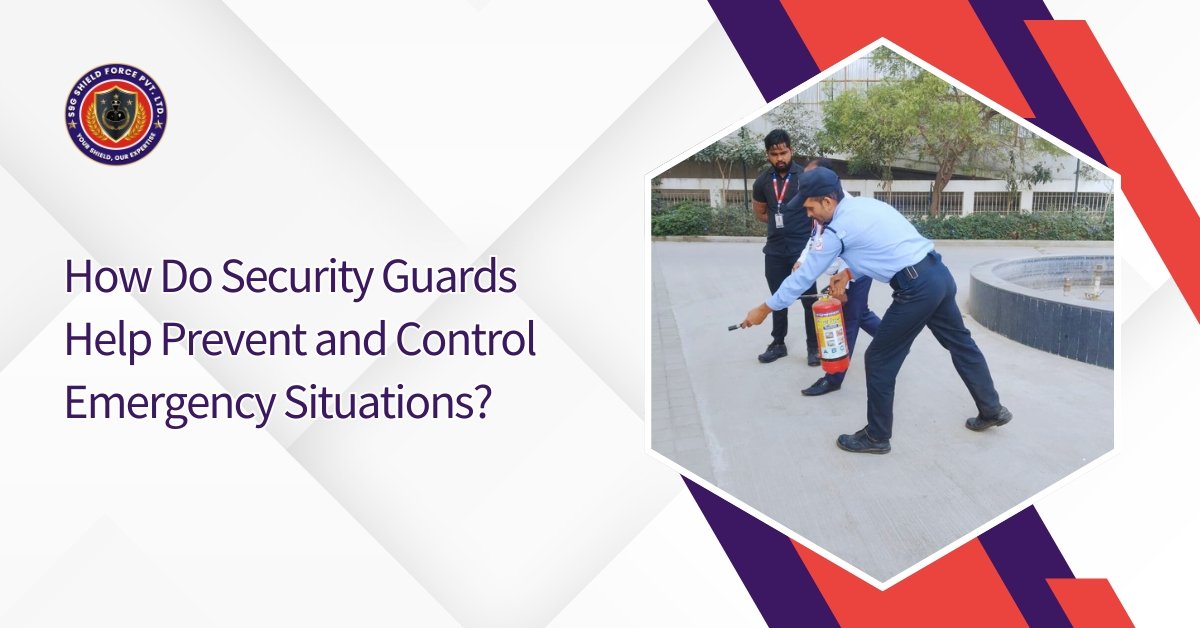
- Using fire extinguishers and removing nearby flammable items.
- Giving first aid or CPR to stabilize injured individuals.
- Handling fights, suspicious persons, or security threats to protect others.
- Turning off electrical switches, gas valves, or blocking hazards to prevent further danger.
These quick actions help contain the situation and keep everyone safe until professional responders reach the scene.
5. Communicating Clear Instructions (55–60 seconds)
In the final few seconds of the first minute, the guard focuses on communication. They:
- Tell people exactly what to do where to move, what to avoid, whom to follow.
- Use simple and direct language to keep everyone calm.
- Guide evacuation or movement if needed.
- Reassure people to avoid panic and maintain order.
Clear leadership at this moment keeps the environment under control.
Key Responsibilities of Security Guards in Emergencies
Security guards undertake several responsibilities to ensure safety during emergencies. Below are some of their primary duties:
1. Quick Assessment of the Situation
During an emergency, every second matters. Security guards are trained to quickly observe what is happening, identify the type of threat, and understand how serious it is. This allows them to make the right decision without wasting time. Their ability to judge the situation accurately is the foundation of an effective emergency response.
2. Activating Emergency Protocols
Once they understand the nature of the emergency, guards immediately activate the necessary safety protocols. This may include raising alarms, calling the control room, contacting supervisors, or triggering evacuation systems. Their fast action ensures that everyone on the premises is alerted and prepared to respond.
3. Guiding People to Safety
In most emergencies, people get confused or frightened. Security guards play a crucial role in guiding residents, employees, or visitors to safe exits and assembly points. They ensure that evacuation routes remain clear and that people move calmly and in an orderly manner, which prevents chaos and injuries.
4. Providing First Aid and Basic Medical Support
Many guards are trained in CPR, first aid, and handling medical emergencies. They can assist someone who has fainted, provide primary treatment for injuries, or help stabilize a person until medical professionals arrive. This immediate support can make a significant difference in life-threatening situations.
5. Using Fire Safety Equipment
If there is a fire outbreak, guards are often the first to attempt to control it. They know how to use fire extinguishers, fire blankets, and emergency tools correctly. By controlling a small fire early, they can stop it from spreading and causing major damage to people and property.
6. Securing the Premises
While the emergency is being handled, sensitive areas like server rooms, cash counters, storage units, or restricted zones become vulnerable. Security guards secure these areas, prevent unauthorized entry, and ensure that no additional risks or damages occur during the crisis.
7. Communicating With Emergency Services
When police, fire brigades, or ambulance teams arrive, guards act as the main point of contact. They provide accurate details such as what happened, where it started, how many people are affected, and which areas are unsafe. This helps emergency responders take faster and more effective action.
8. Maintaining Order and Crowd Control
Crowds can become unpredictable during emergencies. Guards help manage the situation by calming people, controlling movement and avoiding panic or stampedes. Their presence and clear instructions create a sense of order that keeps everyone safer.
9. Assisting Vulnerable Individuals
Not everyone can respond quickly during an emergency. Security guards pay special attention to senior citizens, children, pregnant women, injured individuals and people with disabilities. They help them move safely, ensuring that no one is left behind or put at additional risk.
10. Preparing Incident Reports After the Emergency
Once the situation is under control, guards prepare a detailed incident report. This includes what happened, how it was handled, what actions were taken, and what improvements are needed. These reports are important for safety audits, insurance claims, and improving future emergency responses.
💻🛡️ Technology Support: How Modern Tools Help Guards Handle Emergencies
Modern technology plays a major role in helping security guards respond faster and more accurately during emergencies. With the right tools, guards can detect threats early, communicate better, and control the situation more effectively. Here’s how technology supports them:
CCTV surveillance systems
Cameras help guards monitor every corner of the property in real time. They can spot unusual activity, track suspects, identify hazards, and assess the situation quickly without physically being everywhere.
Access control systems
Using electronic locks, ID scanners, and entry logs, guards can instantly seal off danger zones or open emergency exits. This helps control movement and keeps unauthorized people away from sensitive areas.
Emergency alarms and panic buttons
These systems allow guards or residents to trigger immediate alerts. Once activated, they notify the entire building or control room instantly, ensuring a fast and coordinated response.
Two-way radios and communication devices
Radios help guards stay connected with the team, management, and emergency responders. Fast communication prevents confusion and makes sure everyone knows what action to take.
Incident reporting apps and digital logs
Using digital tools, guards can document the emergency, share updates, and track the situation in real time. This helps authorities make informed decisions quickly.
Sensors and detectors
Smoke detectors, gas leak sensors, and motion detectors alert guards before a threat becomes dangerous. Early detection ensures faster action and reduces damage.
Post-Emergency Responsibilities: Ensuring Safety After the Incident 📝🔒
After an emergency is brought under control, professional security guards begin by thoroughly checking the affected area to ensure there are no remaining dangers. They look for issues like hidden fire sources, gas leaks, damaged electrical lines, unstable structures, or anyone who still needs medical assistance. This careful inspection helps prevent secondary incidents.
Next, guards prepare detailed incident reports describing what happened, how they responded, and what actions were taken. These reports are valuable for management, emergency services, and future safety planning.
Finally, guards help restore normal operations by securing entry points, checking safety equipment, and guiding residents or employees back once the area is confirmed safe. Their calm presence and organized post-emergency actions help ensure a smooth recovery and maintain confidence among the people affected.
Why Well-Trained Security Guards Are Essential for Every Facility?
Well-trained security guards are essential because they know how to handle emergencies quickly and correctly. Their alertness, discipline, and ability to guide people during fire alerts, medical issues, conflicts, or security threats make them a vital part of any facility’s safety system. From preventing risks to controlling panic, trained guards ensure that situations don’t escalate into major problems.
If you want reliable protection for your premises, choosing the best security guard services in Pune ensures complete peace of mind. They bring professional response skills, strong communication, and on-ground experience that protect people and property around the clock. Their experience and quick thinking protect your staff, visitors, and property 24/7, making your premises safer and more reliable.
⚡🛡️Ready to Strengthen Emergency Safety at Your Premises?
If you’re managing a housing society, commercial property, manufacturing unit, event, or corporate space, professional guards can be the difference between a controlled situation and a major disaster. Hire fully trained, disciplined, and reliable security personnel who are prepared for any emergency. 📞💪 Contact us today and take the first step toward complete safety and peace of mind! ✅🔥
Frequently Asked Questions
They detect danger early, take immediate control, manage evacuation, provide first aid, operate safety equipment, and coordinate with emergency services.
Through regular patrolling, CCTV monitoring, identifying hazards, spotting suspicious behavior, and enforcing safety protocols.
Yes. Most licensed guards are trained in CPR, first aid, bleeding control, and stabilizing the patient until an ambulance arrives.
In residential areas, guards monitor entrances, prevent unauthorized access, manage fire or medical emergencies, and assist vulnerable residents. In commercial offices, they secure sensitive areas, guide employees during emergencies, and maintain operational continuity.
After an incident, guards prepare detailed reports, secure sensitive areas, assist management in recovery, and implement preventive measures to avoid future emergencies.
Yes. Most professional security guards undergo certified training in first aid, CPR, AED usage and trauma response to provide immediate medical assistance during emergencies.
They detect danger early, take immediate control, manage evacuation, provide first aid, operate safety equipment, and coordinate with emergency services.