
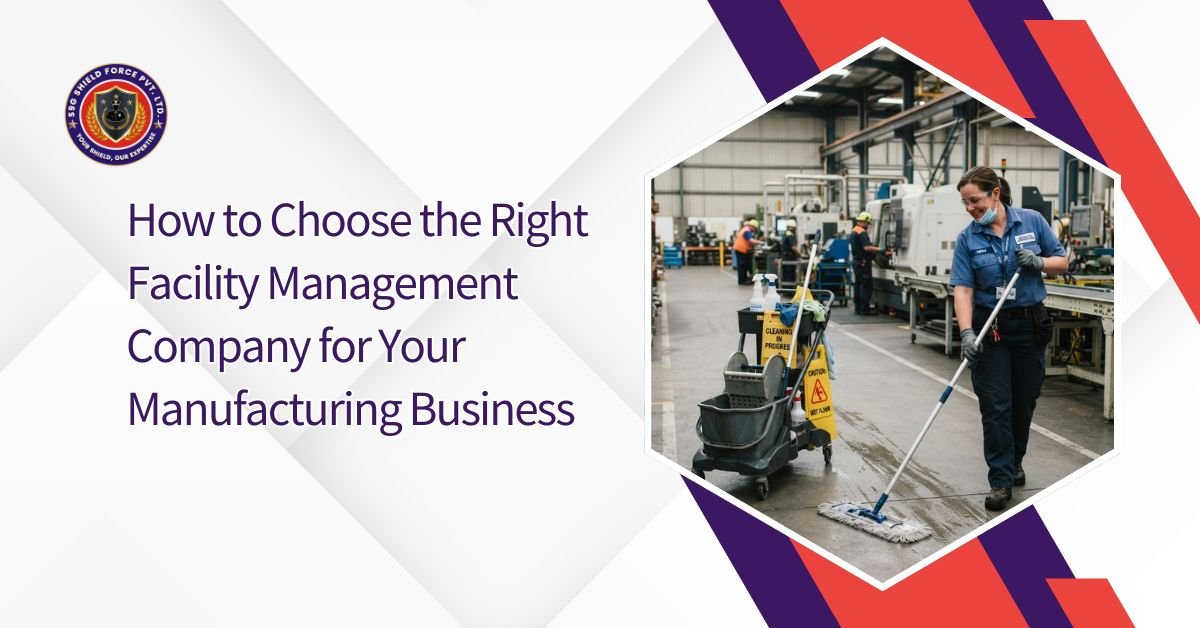
Summary : Choosing the right facility management company is a major decision for any manufacturing business because it directly affects safety, efficiency, cleanliness, equipment uptime, and day-to-day operations. This guide explains what to look for in a reliable partner, which services matter most in a manufacturing environment, how to compare providers, and what questions to ask before you sign an agreement.
A manufacturing business depends on smooth operations every single day. From maintaining the production area to managing utilities, housekeeping, safety support, and routine upkeep, every part of the facility needs proper attention. When these responsibilities are handled well, the plant runs more efficiently, employees work in a safer environment, and the business can focus on production without constant interruptions.
This is why selecting the right facility management company is not just a support decision. It is an operational decision that can influence productivity, compliance, cost control, and long-term growth. A strong facility management partner helps manufacturing businesses maintain order, reduce downtime, and create a workplace that supports consistent output.
What Does A Facility Management Company Do For Manufacturing Businesses?
A facility management company supports the daily and long-term functioning of a manufacturing site. Its role is not limited to cleaning or maintenance alone. It usually covers a wide range of services that help keep the plant operational, safe, and organized.
Daily Operational Support
Manufacturing facilities require regular supervision for common operational tasks such as cleaning schedules, waste movement, utility monitoring, and general site upkeep. A facility management company helps ensure these activities happen on time and without disruption.
Building Maintenance
The physical structure of the facility needs continuous care. This includes minor repairs, upkeep of common areas, and regular inspections to make sure the building remains in good condition.
Industrial Housekeeping
Cleanliness in a factory is about more than appearance. It helps reduce hazards, improves workflow, and supports compliance with safety standards. Industrial housekeeping includes floor cleaning, dust removal, waste handling, and maintenance of common operational zones.
Utility Management
A manufacturing business depends on stable utility systems such as electricity, water, HVAC, and plumbing. Facility management teams help track and maintain these systems so disruptions are minimized.
Security And Safety Support
Although security may be handled by a separate provider in some cases, many facility management companies coordinate safety-related support, access control assistance, emergency readiness, and site monitoring processes.
Waste Management
Manufacturing sites generate different kinds of waste that must be collected, segregated, and disposed of properly. A facility management company helps ensure this is handled in an organized and compliant way.
Why Is Choosing The Right Facility Management Company Important?
The right partner can create a measurable difference in factory performance. Poor facility management often leads to breakdowns, unsafe conditions, dirty workspaces, slow response times, and unnecessary expenses. A reliable company, on the other hand, helps create consistency across operations.
It can reduce production delays caused by maintenance issues, improve workplace discipline, support employee comfort, and help the business stay aligned with compliance requirements. In a manufacturing environment, even small inefficiencies can grow into major losses. That is why the selection process should be practical, detailed, and focused on long-term value.
For manufacturing businesses located in Pune and PCMC, partnering with a facility management provider that also offers trained security personnel can simplify day-to-day operations and improve workplace protection.
Read more : Top 7 Reasons to Hire Professional Security Guards in Pune & PCMC
What Services Should A Manufacturing Facility Management Company Offer?
Before choosing a provider, it is important to understand the range of services they should be able to manage. A good facility management company for manufacturing businesses should go beyond basic housekeeping and offer support suited to industrial operations.
Industrial Housekeeping
This includes housekeeping services for production areas, pathways, storage spaces, restrooms, common zones, and high-traffic sections. It also covers dust management, spill control, and waste handling to maintain a clean, safe, and well-organized workplace.
Technical Maintenance Services
The company should be able to support routine technical work, small repairs, and preventive maintenance activities that help avoid unexpected breakdowns.
Electrical Maintenance
Electrical issues can stop production and create safety risks. A facility management partner should help manage inspections, basic repair coordination, and preventive checks.
HVAC Maintenance
Temperature control and air quality matter in manufacturing environments. Proper HVAC maintenance supports comfort, efficiency, and equipment performance.
Plumbing Maintenance
Leaks, drainage issues, and water supply problems can affect hygiene and production areas. Plumbing support should be part of the service scope.
Pest Control
Manufacturing facilities need regular pest prevention and control to protect materials, maintain cleanliness, and avoid contamination risks.
Waste Management
Waste collection, segregation, storage, and disposal must be handled systematically, especially in industrial environments where compliance matters.
Landscaping
In facilities with external areas, landscaping and outdoor maintenance also contribute to a professional and well-managed site.
Facility Helpdesk Support
A responsive helpdesk or complaint system improves communication and makes it easier to track issues until they are resolved.
What Factors Should You Consider Before Hiring A Facility Management Company?
This is the most important part of the selection process. A company may look good on paper, but the real test is whether it can understand the pace and complexity of a manufacturing environment.
Read more : Why Manufacturing Companies Need Professional Security Guards?
Experience In Manufacturing Facilities
Always check whether the company has handled manufacturing plants before. Industrial sites have different needs compared to offices, retail spaces, or residential properties. Experience in a factory environment usually means the team understands safety, movement patterns, shift schedules, and production sensitivities.
Industry-Specific Knowledge
A provider should know how to work in a setting where machinery, raw materials, inventory movement, and compliance rules all matter. This knowledge helps reduce mistakes and improves service quality.
Trained And Verified Workforce
The quality of the workforce matters as much as the company name. Staff should be trained, supervised, and suitable for industrial work. Verification, discipline, and proper onboarding are important because these teams often work inside sensitive operational areas.
Compliance With Safety Standards
Safety cannot be treated as a side topic in manufacturing. The provider should have clear processes for PPE usage, emergency response, hazard awareness, and safety reporting. A good partner respects the plant’s internal rules and helps reinforce them.
Service Level Agreements
A Service Level Agreements(SLA) defines expectations, timelines, responsibilities, and reporting standards. Without clear service terms, it becomes difficult to measure performance. A manufacturing business should always ask how service quality will be tracked and what happens if standards are not met.
Scalability
Your business may grow, add shifts, expand production, or increase operational complexity. The facility management company should be able to scale its services without losing quality or control.
Response Time During Emergencies
A quick response can prevent bigger problems. Whether the issue is a breakdown, a spill, a hygiene concern, or a maintenance failure, the company should have a clear process for handling urgent situations.
Availability Of Supervisors
Supervision is essential in a manufacturing environment. A provider with good supervisory support is more likely to maintain consistency, solve problems faster, and manage staff performance better.
Transparent Pricing
The cheapest option is not always the best one. What matters more is whether the pricing is transparent and aligned with service quality. A clear cost structure helps avoid hidden charges and misunderstandings later.
What Questions Should You Ask Before Finalizing A Facility Management Partner?
Asking the right questions can reveal whether a company truly understands industrial requirements. Some useful questions include:
- How many manufacturing facilities do you currently manage?
- What types of services do you provide for industrial clients?
- How do you train and supervise your staff?
- What safety procedures do you follow on-site?
- How do you track service quality and complaints?
- What is your emergency response process?
- How often do you conduct audits or inspections?
- Can your services scale if our plant expands?
These questions help you go beyond marketing claims and focus on actual capability.
What Are The Benefits Of Outsourcing Facility Management For Manufacturing Businesses?
Outsourcing facility management allows manufacturing businesses to focus more on production and less on support tasks. It also gives access to specialized manpower, structured processes, and professional supervision without the burden of managing everything in-house.
It can improve workplace cleanliness, reduce maintenance delays, support compliance, and create a better environment for employees. Outsourcing also makes it easier to manage operational costs because services are planned, tracked, and delivered through a dedicated partner.
For businesses with multiple shifts, large premises, or growing operations, outsourcing can be especially useful because it brings consistency and flexibility. Many manufacturing businesses also choose to outsource security instead of maintaining an in-house team.
Read more : In-House vs Outsourced Security: Pros and Cons
How Can The Right Facility Management Partner Support Long-Term Manufacturing Growth?
A strong facility management company does more than handle routine tasks. It helps build a stable operational base for future growth. When your plant is clean, safe, organized, and well maintained, it becomes easier to expand production, improve workforce morale, and manage increasing demand.
The right partner also brings process discipline. That matters because as a factory grows, small service issues can become bigger operational risks. A reliable facility management company helps your business stay ready for expansion while keeping daily operations under control.
Your Trusted Partner For Manufacturing Facility Management
Whether you’re looking to improve operational efficiency, maintain a cleaner workplace, or ensure smooth day-to-day facility operations, choosing the right partner makes all the difference. S9G Shield Force Pvt Ltd is a best manufacturing plant facility management staffing agency in Chakan, delivering dependable staffing and facility management solutions tailored to the needs of manufacturing businesses.
Our experienced team is committed to helping your facility run safely, efficiently, and without unnecessary disruptions. From housekeeping and maintenance support to complete facility staffing solutions, we provide reliable services that match your operational goals. Talk to our experts and get a customized facility management plan.
Frequently Asked Questions
A manufacturing business should look for industrial experience, trained staff, safety compliance, service reliability, clear reporting, and the ability to handle both routine and emergency requirements.
Facility management helps maintain cleanliness, safety, equipment support, and daily operational order. It reduces downtime and allows the business to focus on production.
You can compare them based on experience, service range, workforce quality, response time, reporting systems, pricing transparency, and SLA terms.
Common services include industrial housekeeping, maintenance support, pest control, waste management, HVAC upkeep, plumbing support, and facility helpdesk services.
The provider should be reviewed regularly through audits, performance checks, complaint tracking, and SLA evaluations to ensure service quality remains consistent.