Keeping a commercial building safe is one of the biggest responsibilities for any business owner or facility manager. Offices, malls, warehouses, and IT parks see hundreds of people moving in and out every day staff, vendors, visitors, cleaners, delivery teams and maintenance workers. With so much activity, it becomes easy for theft, trespassing, or unauthorized entry to happen without anyone noticing.
Strong security protects more than just physical assets. It keeps employees safe, prevents financial losses, avoids operational disruptions, and builds trust with customers and tenants. This blog explains simple and effective ways to prevent theft and stop unauthorized access in commercial buildings. You’ll learn which systems matter most, how to strengthen entry points, and what steps help reduce day-to-day security risks all in a practical, easy-to-follow format.
Why Is Access Control Important for Commercial Building Safety?
Access control is important for commercial building safety because it provides a structured way to manage who enters the premises. Instead of relying on manual checks, digital systems like biometric scanners and RFID cards automatically verify identities and reduce human error. This makes it easier to prevent strangers from walking in, especially during busy hours when foot traffic is high.
Another major benefit is protecting areas that require special permission, such as server rooms, inventory sections, or finance departments. Access control also keeps a clear record of every entry, which helps during audits or incident reviews. When integrated with CCTV and alarms, it creates a coordinated security network that helps building management respond faster and maintain a safer environment for everyone.
What Skills Should a Commercial Security Guard Have?
A commercial security guard plays a vital role in protecting people, property, and assets. Beyond just standing at the gate, they need a mix of technical, observational, and interpersonal skills to handle various situations effectively.
- Vigilance and Observation – Ability to notice unusual behavior, suspicious objects, or unauthorized access and respond proactively to prevent incidents.
- Knowledge of Security Systems – Proficiency in CCTV monitoring, access control systems, alarms, and visitor management software to ensure smooth operations.
- Emergency Response – Trained to handle fires, medical emergencies, intrusions, and evacuations calmly and efficiently.
- Communication Skills – Clear reporting, professional interaction with staff and visitors, and effective conflict resolution when needed.
- Integrity and Trustworthiness – Responsible handling of sensitive areas, maintaining confidentiality, and adhering to company protocols without compromise.
How Do Security Guards Help Keep Commercial Buildings Safe?
1. Access Control Systems
Controlling who enters a commercial building is critical. Without proper access management, unauthorized individuals can gain entry to sensitive areas such as server rooms, storage spaces, or executive offices. Modern access control systems use keycards, PIN codes, and biometric scanners to monitor and regulate movement effectively.
Prevention:
- Implement role-based access control to restrict entry to authorized personnel only.
- Use biometric authentication for highly sensitive areas.
- Maintain digital logs of all access points for monitoring and audits.
- Update access permissions regularly, removing former employees or expired contractors.
- Conduct periodic access audits to detect unusual patterns or misuse.
2. Deploy High-Quality Surveillance Cameras
CCTV and other surveillance technologies serve as both a deterrent and an investigative tool. Visible cameras discourage potential intruders, while recorded footage provides evidence for investigations or insurance claims. Surveillance should cover high-traffic areas, entrances, exits, parking lots, hallways, and any area where valuable assets are stored.
Prevention:
- Install high-resolution cameras with night vision for all key areas.
- Use remote monitoring to allow security personnel to view live footage from anywhere.
- Regularly check camera functionality and repair or replace faulty units.
- Ensure video storage is secure and backed up for evidence purposes.
- Position cameras to eliminate blind spots and cover all sensitive zones.
3. Hire Trained Security Guard
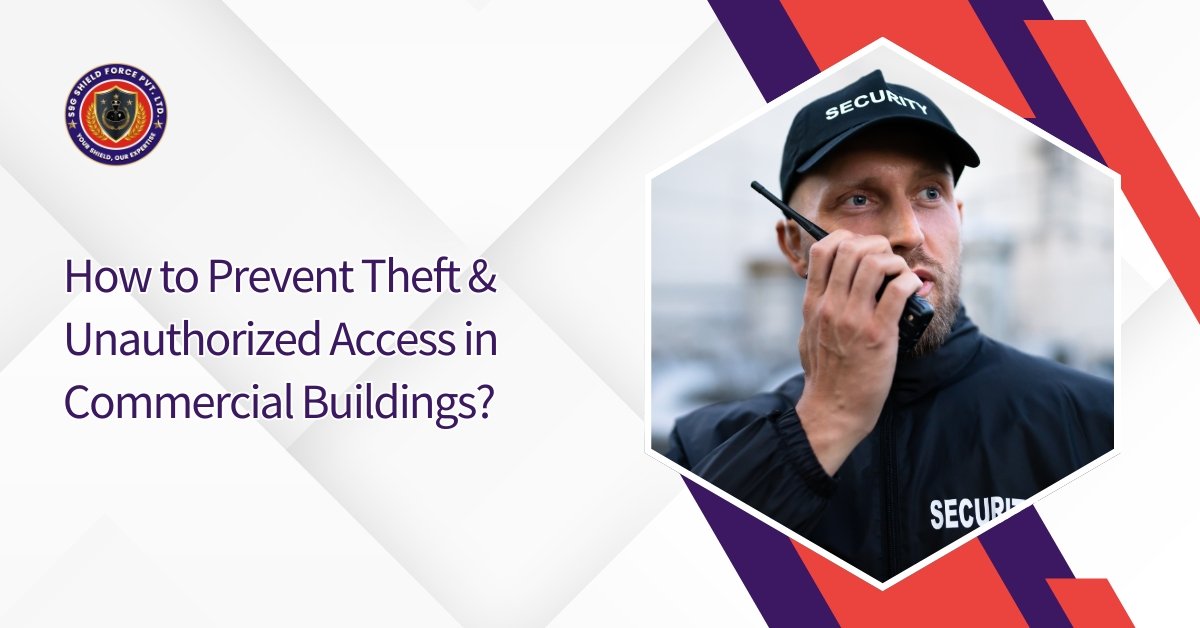
While technology is vital, human oversight adds a dynamic layer of protection. Trained security guards can identify unusual behavior, intervene in real-time, and respond to emergencies. Their presence alone often deters potential intruders. Security personnel can also manage visitor check-ins, enforce access rules, and conduct routine patrols.
Prevention:
- Station guards at key points like entrances, parking areas, and high-risk zones.
- Conduct random patrols inside and around the building.
- Train guards in emergency response, threat detection, and conflict resolution.
- Use communication devices to maintain contact with staff and central control.
- Rotate shifts and duties to prevent complacency and ensure vigilance.
4. Implement Alarm & Detection Systems
Alarms act as an early warning system, alerting staff and security personnel to potential breaches. Motion sensors, door and window sensors, and integrated monitoring systems detect unusual activity immediately, helping prevent incidents before significant damage occurs.
Prevention:
- Install motion detectors and door/window sensors in key zones.
- Integrate alarms with central monitoring systems for instant alerts.
- Test alarm systems regularly to ensure functionality.
- Implement silent alarms for sensitive areas where immediate notification is necessary.
- Provide training for staff on how to respond to alarms quickly and effectively.
5. Conduct Regular Security Audits
Even the best security measures can fail if not maintained or tested. Regular audits assess access control systems, surveillance cameras, alarms, locks, and physical barriers to identify weaknesses. They also evaluate employee adherence to security protocols.
Prevention:
- Conduct periodic inspections of all access control and surveillance equipment.
- Review entry logs and visitor records for anomalies.
- Test physical barriers for weaknesses and repair as needed.
- Evaluate staff adherence to security protocols.
- Update policies and systems based on audit findings to maintain best practices.
6. Cybersecurity Measures
Modern buildings increasingly use digital systems for access control, automation, lighting, and HVAC. Cybersecurity is essential because hackers can exploit vulnerabilities to gain unauthorized physical or digital access.
Prevention:
- Use strong passwords, encryption, and multi-factor authentication.
- Limit system access based on roles and responsibilities.
- Monitor network activity for unusual or unauthorized access.
- Regularly update software and firmware to patch vulnerabilities.
- Train staff to identify phishing and cyber threats that could compromise security.
7. Visitor and Contractor Monitoring
Vendors, contractors, and temporary staff can inadvertently or intentionally breach security protocols. Monitoring their movement prevents unauthorized access and ensures they do not compromise sensitive areas.
Prevention:
- Issue temporary badges with limited access.
- Supervise contractors and visitors in sensitive areas.
- Maintain a digital log of visitor movements.
- Verify credentials before granting access.
- Set time-limited access for temporary personnel to prevent lingering in restricted areas.
8. Emergency Preparedness
Unexpected events like natural disasters, power outages, or intrusions can create security gaps. Emergency preparedness ensures a coordinated response to minimize risk and maintain safety for all occupants.
Prevention:
- Develop comprehensive emergency response plans covering intrusion, fire, and natural disasters.
- Conduct regular drills to ensure staff know evacuation routes and procedures.
- Test alarm systems and communication devices regularly.
- Keep emergency exits clearly marked and unobstructed.
- Maintain a crisis communication plan for coordination with security personnel and authorities.
Why Is Hiring Trained Security Guards Important for Commercial Building Safety?
Hiring trained security guards is essential for ensuring the safety and security of commercial buildings. Professional guards do much more than monitor entrances; they actively prevent unauthorized access, detect suspicious behavior, and respond to emergencies. Trained guards also provide valuable support to technology-based security systems. Their presence alone acts as a strong deterrent to criminals, reducing the likelihood of theft or disruption.
For commercial premises in PCMC and surrounding areas, partnering with a reliable security provider like S9G Shield Force ensures that the property is protected by professionally trained, verified, and experienced guards.
Secure Your Commercial Building Today
Protecting your commercial building from theft and unauthorized access requires a combination of trained security personnel, advanced technology, and effective protocols. With professional guards, smart access control, CCTV monitoring, and a well-designed security plan, you can ensure the safety of your premises, employees, and visitors while minimizing risks.
👉 Contact us today to secure your property and ensure the safety of your employees and visitors!
Frequently Asked Questions
Biometrics, RFID smart cards, QR-based visitor passes, and two-factor authentication systems work best for large commercial campuses and tech parks.
It deters criminals, records evidence, improves response time, and helps security teams monitor large areas without blind spots.
Trained security guards monitor premises, respond to emergencies, enforce protocols, and deter potential intruders, adding a dynamic human layer to technological security measures.
Security audits identify weaknesses in access control, surveillance, alarms, and protocols, helping to fix vulnerabilities and maintain effective security practices.
Buildings should review and update security protocols, access permissions, CCTV coverage, and alarm systems regularly—ideally every 3–6 months—to adapt to evolving risks.
Trained guards monitor entrances, patrol high-risk areas, respond to emergencies, and enforce security protocols. Their presence deters intruders and ensures immediate action when suspicious activity is detected.