
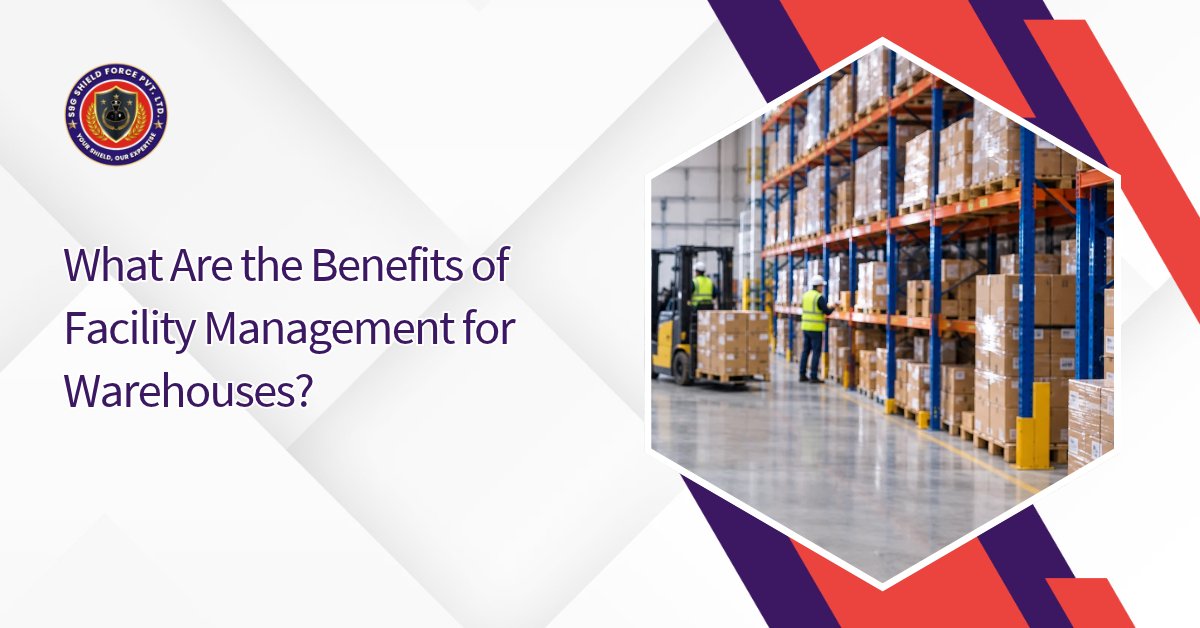
Warehouses need more than sufficient storage space to function efficiently. Clean storage areas, reliable building maintenance, effective security, and properly managed support staff all contribute to a safe and organized working environment. Without regular attention to these areas, warehouses may experience maintenance problems, workplace hazards, operational delays, and unnecessary expenses.
Facility management for warehouses helps businesses maintain their buildings, manage housekeeping, coordinate maintenance, and support day-to-day facility requirements. A professional approach helps warehouse managers focus on storage, inventory handling, and order fulfilment while essential facility-related tasks receive consistent attention.
In this article, we explain the key benefits of warehouse facility management, the services it includes, and how businesses can choose the right service provider.
What Is Warehouse Facility Management?
Warehouse facility management is the process of maintaining a warehouse’s infrastructure, cleanliness, security, and support services to ensure a safe and organized working environment. It includes essential activities such as housekeeping, building maintenance, security services, waste management, manpower coordination, and regular safety inspections. These services help keep storage areas clean, identify maintenance issues early, and ensure that warehouse facilities remain functional.
Professional facility management for warehouses helps businesses maintain workplace hygiene, protect stored goods from facility-related risks, and reduce disruptions caused by maintenance or housekeeping issues. By coordinating daily facility tasks and addressing potential hazards, businesses can create a better working environment for employees while allowing warehouse teams to focus on inventory handling, storage, and order fulfilment.
Benefits of Facility Management for Warehouses
Professional warehouse facility management provides several practical benefits by helping businesses maintain a safer workplace, prevent avoidable maintenance issues, and use their facilities more effectively.
1. Improves Warehouse Safety and Security
Warehouses often have forklifts, loading bays, storage racks, delivery vehicles, and employees working in the same environment. Poor housekeeping, damaged floors, obstructed exits, or inadequate access control can increase the risk of accidents and security incidents. Facility management helps address these concerns through regular inspections, cleaning schedules, maintenance reporting, and coordinated security procedures.
For example, housekeeping teams can keep walkways clear of loose packaging and debris, while maintenance personnel can report damaged lights or flooring. Security guards can monitor entry and exit points, verify visitors according to site procedures, and report suspicious activity. These measures help warehouse managers maintain a more controlled working environment.
2. Maintains Clean and Hygienic Storage Areas
Dust, packaging waste, spill and accumulated debris can create an untidy workplace and interfere with warehouse activities. In certain storage environments, poor cleanliness may also affect product quality or create pest-related concerns.
Professional warehouse housekeeping helps maintain cleanliness through planned cleaning schedules and clearly assigned responsibilities.
Typical tasks include:
- Cleaning warehouse floors, aisles, offices, and staff areas.
- Removing packaging waste and other debris from designated areas.
- Cleaning loading and unloading zones.
- Reporting spills, leaks, and potential slip hazards.
- Maintaining washrooms and employee welfare facilities.
- Following appropriate cleaning procedures for specific storage requirements.
A clean warehouse makes it easier for employees to identify hazards, locate designated storage areas, and maintain organized workspaces. Facilities handling food, pharmaceuticals, or other sensitive goods may require additional hygiene procedures based on applicable standards.
3. Reduces Unexpected Maintenance and Downtime
Damaged lighting, leaking pipes, faulty doors, and deteriorating floors can affect warehouse activities if problems remain unaddressed. Some maintenance issues may also become more expensive when they are ignored. A planned facility maintenance programme helps identify issues before they develop into larger problems.
Regular inspections can cover building infrastructure, lighting, plumbing, drainage, doors and other systems within the facility management team’s responsibilities. Identified issues can then be documented, prioritized, and assigned for repair.
4. Improves Workforce Productivity
Employees can work more efficiently when warehouse spaces are clean, equipment access routes are unobstructed and support services are properly coordinated. Poorly maintained facilities can create distractions and delays. Employees may need to navigate around waste, report recurring maintenance issues, or wait for basic facility problems to be resolved.
Facility management helps by assigning responsibilities, establishing service schedules, and creating clear reporting processes for housekeeping and maintenance concerns. These improvements support a more organized workplace, allowing warehouse employees to concentrate on their primary responsibilities.
5. Supports Better Inventory Protection
Inventory can be affected by several facility-related problems, including water leaks, excessive dust, pest activity, unauthorized access and unsuitable storage conditions. Warehouse facility management helps reduce these risks by maintaining the building, monitoring housekeeping standards, reporting potential hazards and supporting site security procedures.
Depending on the facility’s needs, relevant measures may include:
- Inspecting roofs, walls, plumbing, and drainage for signs of leakage.
- Keeping storage areas and waste collection points clean.
- Reporting pest activity or conditions that may attract pests.
- Maintaining suitable lighting in storage and access areas.
- Coordinating visitor access and security checks.
- Reporting building defects that could affect stored goods.
Facility management alone cannot guarantee inventory protection. Appropriate storage systems, inventory controls, fire protection, environmental monitoring, and product-specific handling procedures are also important.
6. Helps Control Facility Maintenance Costs
Unexpected repairs, repeated cleaning problems and poorly maintained building systems can place pressure on a warehouse’s maintenance budget. Facility management supports cost control by introducing planned maintenance schedules, assigning clear responsibilities, and tracking recurring issues.
A structured approach can help businesses identify problems earlier, plan routine work, and reduce avoidable emergency repairs. It can also make it easier to monitor staff requirements, cleaning supplies, and maintenance expenditure.
7. Keeps Warehouse Facilities Organized and Functional
An organized warehouse needs clearly maintained walkways, designated waste collection points, accessible emergency exits, and properly maintained common areas. Facility management helps establish routines for cleaning, inspections, maintenance reporting and service coordination. These routines make it easier to identify problems and ensure that facility-related responsibilities are not overlooked.
For warehouses with multiple shifts, contractors, or high volumes of deliveries, clearly documented procedures are particularly useful. They help different teams understand their responsibilities and report issues consistently. A functional facility also supports a better working environment for employees, delivery personnel, contractors, and visitors.
What Services Are Included in Warehouse Facility Management?
Warehouse facility management includes a range of services that help maintain cleanliness, safety, security, and the overall condition of warehouse premises. These services vary depending on the warehouse’s size, storage requirements, and daily activities. Common services include:
Housekeeping and Cleaning: Regular housekeeping helps maintain clean warehouse floors, storage areas, loading bays, offices, and common spaces. Cleaning teams remove dust, packaging waste, and debris while keeping walkways clear and reporting spills or other hazards.
Building Maintenance: Warehouse building maintenance involves inspecting and maintaining essential infrastructure, including lighting, plumbing, doors, drainage systems, roofs, and flooring. Routine inspections help identify issues such as water leaks, damaged surfaces, and faulty lights before they lead to larger problems.
Security Services: Warehouse security services help protect stored goods, employees, equipment and property from unauthorized access and potential security incidents. Security guards can monitor entry and exit points, verify visitors according to site procedures, maintain entry records, and conduct authorized patrols.
Manpower Management: Effective manpower management ensures that housekeeping staff and other facility support personnel are assigned duties according to the warehouse’s requirements. It includes coordinating work schedules, monitoring attendance, assigning responsibilities, and supervising service quality.
Waste Management: Warehouse waste management involves collecting, segregating, and disposing of packaging materials, cardboard, plastic, and other waste according to site procedures and applicable regulations. Proper waste management also supports cleanliness, reduces potential hazards, and helps maintain an organized working environment.
Safety Inspections: Regular safety inspections help identify potential hazards within warehouse premises, including damaged flooring, blocked emergency exits, poor lighting, leaking pipes, and obstructed walkways.
By combining these services, businesses can maintain well-organized warehouse facilities, address maintenance concerns promptly, and support smoother day-to-day activities. Choosing services based on the warehouse’s specific needs helps ensure that essential facility tasks are managed consistently.
Why Is Professional Facility Management Important for Modern Warehouses?
Professional facility management is important for modern warehouses because it helps maintain clean, safe, and well-organized premises. Regular housekeeping, building maintenance, security services, and safety inspections help businesses identify potential issues early, protect stored goods, and reduce disruptions caused by facility-related problems. Proper coordination of these services also helps maintain a productive working environment for warehouse employees.
As warehouse activities become more demanding, managing facility-related tasks efficiently becomes essential. A professional facility management team helps coordinate daily support services, monitor maintenance requirements, and ensure that cleaning and safety procedures are followed consistently. This allows warehouse managers to focus on inventory management, storage, and order fulfilment while essential facility needs receive proper attention.
Get the Right Staffing and Facility Support for Your Warehouse
A well-managed warehouse requires the right people, proper maintenance planning, and consistent attention to facility needs. Partnering with a professional service provider helps businesses handle these responsibilities while maintaining a dependable environment for employees and goods.
Looking for reliable support for your warehouse staffing and facility management needs? Choose a service provider that understands your business requirements and can deliver suitable solutions. Get the right support from a trusted warehouse facility management staffing agency in Bhosari. Contact S9G Shield Force today to discuss your requirements!
Frequently Asked Questions
Warehouse facility management can include housekeeping, building maintenance, security coordination, waste management, facility inspections, and manpower support. The exact services depend on the warehouse’s size, operating requirements, and service agreement.
Facility management supports warehouse safety by maintaining clean walkways, reporting building defects, addressing maintenance concerns, and coordinating security procedures. These activities complement employee training, safety inspections, emergency planning, and applicable workplace safety requirements.
Warehouse housekeeping helps control dust and waste, maintain clear walkways, reduce slip and trip hazards, and keep work areas organized. It can also support inventory protection and hygiene requirements where appropriate.
Inspection frequency depends on the facility’s risks, equipment, building condition, activities, and applicable requirements. High-traffic areas and critical systems may need more frequent checks, while other building components can follow planned maintenance schedules. Any legally required inspection intervals should be followed.
A warehouse may benefit from professional facility management when cleaning and maintenance tasks are difficult to coordinate, recurring issues remain unresolved, the facility is expanding, or the business needs structured support for housekeeping, security, and building upkeep.